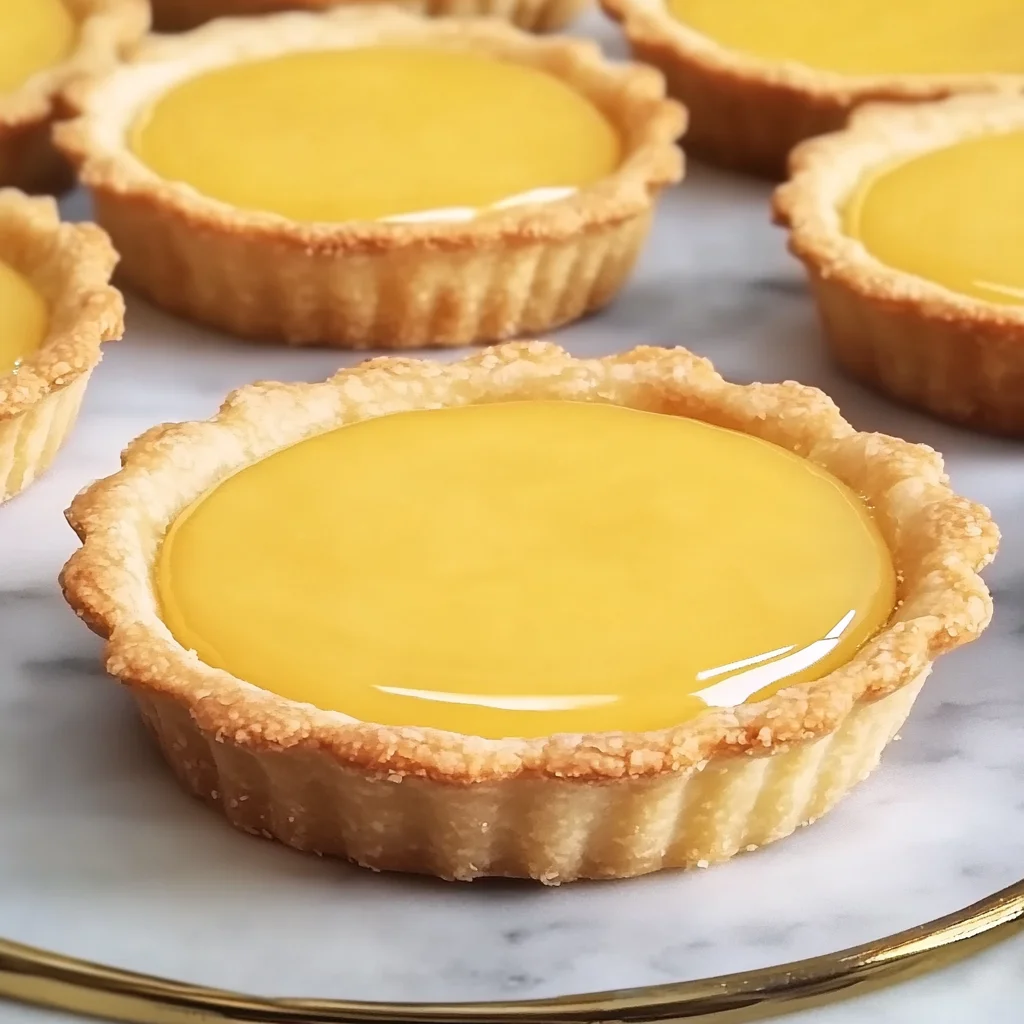
There’s something truly magical about the first bite of a perfectly tangy, creamy lemon curd tartlet. It reminds me of sunny afternoons spent with friends and family, laughter filling the air as we savored something sweet yet refreshingly bright. Maybe it’s the way the buttery crust melts in your mouth or how the smooth lemon curd dances between tart and sweet — whatever it is, these lemon curd tartlets capture a little slice of sunshine in every bite. Best of all? They’re surprisingly easy to make and perfect for sharing or gifting to brighten someone’s day.
If you’re looking for a dessert that’s both impressive and quick enough to whip up without stress, these lemon curd tartlets are your new best friend. Whether you’re hosting a brunch, bringing a treat to a gathering, or just craving a little homemade indulgence, this recipe has you covered. Plus, the fresh lemon flavor is a beautiful contrast to richer sweets, making it a crowd-pleaser that’s light and refreshing.
Why You’ll Love Lemon Curd Tartlets
- Fast: The tartlet shells come together quickly, and the lemon curd cooks in just minutes on the stove.
- Easy: You don’t need fancy equipment or complicated techniques—just some basic ingredients and a little patience.
- Giftable: These tartlets look so pretty nestled in a box or on a platter, making them an ideal homemade gift.
- Crowd-pleasing: The perfect balance of sweet and tart means everyone will want seconds (and maybe thirds!).
Ingredients
Let’s start with the essentials. This recipe is all about simple, quality ingredients that come together to create something truly special.
For the Tartlet Shells:
- 2 cups (250 g) all-purpose flour: The base of your crust, providing that tender, crumbly texture we all love.
- 1/2 cup (50 g) icing sugar, sifted: Adds a subtle sweetness and helps keep the crust delicate.
- 1 pinch fine salt: Just a touch enhances all the flavors.
- 1/2 cup + 1 tbsp (120 g) unsalted butter, cold and cubed: Cold butter is key for a flaky, buttery crust.
- 1 large egg, room temperature: Binds everything together without making the dough tough.
For the Lemon Curd:
- 4 large egg yolks: These give the curd its rich, silky texture.
- 1/2 cup (100 g) caster sugar or fine granulated sugar: Sweet enough to balance the lemon’s tartness.
- 1/2 cup (125 ml) fresh lemon juice (about 3 large lemons): Fresh is best for that vibrant, tangy flavor.
- 5 tbsp (75 g) unsalted butter, room temperature, cubed: Adds creaminess and smoothness to the curd.
- Zest of 1 lemon (optional): For an extra pop of citrus aroma and flavor.
These ingredients are pantry staples for many home cooks, making this lemon curd tartlet recipe a fantastic go-to when you want something fresh and homemade without hunting down obscure items. If you enjoy bright citrus desserts, you’ll also love the fluffy lemon ricotta pancakes—another wonderfully zesty treat to brighten your mornings.
How to Make Lemon Curd Tartlets
Now, let’s get into the heart of the kitchen fun: making these tartlets step by step. I’ll walk you through each part so you feel confident from start to finish.
1. Prepare the Tartlet Shells
Begin by pulsing the flour, icing sugar, and salt in a food processor. This makes sure everything is evenly combined. Then, add those cold cubes of butter and pulse until you get a texture like fine crumbs. This step is crucial—it’s what creates that flaky texture we adore in tart shells. If you don’t have a food processor, don’t worry! You can use a pastry cutter or your fingers, but be quick to keep the butter cold.
Next, whisk the egg separately. Slowly pulse the egg into your flour and butter mixture just until a soft dough forms. Remember, you want to avoid overmixing here, which can lead to a tough crust. Once the dough comes together, wrap it between two sheets of parchment paper and roll it out to about 1/6 inch (4 mm) thickness. If you don’t have a rolling pin, a clean bottle works just fine in a pinch! Pop the rolled dough into the fridge for at least an hour—this chilling step helps the dough relax and prevents shrinking during baking.
After chilling, cut circles slightly larger than your muffin tin openings. Gently press each circle into the pan, making sure the edges are snug but not stretched too thin. This gentle pressing helps keep the shape and prevents shrinking. For best results, chill the tartlet shells again for at least 2 hours or even overnight. This extra chill time really helps them hold their shape and bake up beautifully crisp.
When you’re ready to bake, preheat your oven to 325°F (160°C). Prick the bottoms of the tart shells with a fork to allow steam to escape. Line each shell with crumpled parchment paper and fill with baking beans or rice to keep the crust from puffing up. Bake for 15 minutes, then carefully remove the weights and parchment and bake for another 15 minutes until golden and dry. Let them cool completely before filling.
2. Make the Lemon Curd
This is where the magic happens. In a small saucepan, whisk together the egg yolks, sugar, and fresh lemon juice. Place the pan over very low heat and stir continuously. This slow, gentle cooking prevents curdling and helps the curd thicken evenly. After about 3–5 minutes, you’ll notice the mixture starting to thicken. At this point, add the butter cubes gradually, whisking them in fully before adding more. The butter enriches the curd, giving it a silky texture that’s just divine.
If you’re a fan of extra lemony flavor, stir in the zest of one lemon. Keep cooking on low heat, whisking constantly, for another 5–15 minutes until the curd is thick enough to coat the back of a spoon with a clean line when you draw your finger through it. This silky consistency means your tartlets will have that perfect balance of creamy and tangy.
3. Assemble the Tartlets
While the lemon curd is still warm, pour it carefully into your cooled tartlet shells. Don’t rush this step—pour slowly and gently tap the tartlet pan to release any air bubbles that might have sneaked in. This keeps your tartlets smooth and elegant. Once filled, pop the tartlets in the fridge for at least 2–3 hours to set. The lemon curd will firm up beautifully, leaving you with a glossy, luscious finish that’s truly irresistible.
4. Serve and Enjoy
These tartlets are best served chilled, offering a crisp shell with a creamy, zesty filling. They’re perfect as a light dessert after a hearty meal or as a delightful treat with tea or coffee. If you want to add a little extra flair, a dollop of whipped cream or a few fresh berries on top makes for a stunning presentation. For a simple and delicious dessert that feels fresh and homemade, these lemon curd tartlets are hard to beat.
Substitutions & Additions
One of the things I love most about this recipe is how adaptable it is. While the classic lemon flavor shines bright, you can easily switch things up or add your own twist.
- Make it lime or orange: Swap fresh lemon juice and zest for lime or orange for a different citrus profile. It’s a fun way to mix things up seasonally or to suit your mood.
- Use store-bought pie crust: If you’re short on time, a good-quality pre-made pie crust can work in a pinch. Just press it into your muffin tins and bake as directed.
- Add fresh berries: Blueberries, raspberries, or sliced strawberries make a lovely topping and add a burst of freshness and color.
- Infuse the curd: Try adding a splash of elderflower liqueur or vanilla extract to the curd for a subtle floral or sweet note.
- Make mini tartlets: Use a mini muffin tin to create bite-sized versions perfect for parties or as finger food.
If you’re in the mood for other citrus-inspired desserts, don’t miss the charming silky lemon posset, which is just as creamy and refreshing but requires no baking at all.
Tips for Success
Making lemon curd tartlets can feel a little intimidating at first, but with a few tips, you’ll master it in no time.
- Keep your butter cold for the crust: This helps create a tender, flaky shell. If it softens too much, pop the dough back in the fridge before rolling out.
- Don’t overmix the dough: Overworking develops gluten, which can make your crust tough. Mix just until the dough comes together.
- Chill the tartlet shells twice: Chilling before and after pressing into the muffin tin prevents shrinking and helps maintain shape during baking.
- Cook the lemon curd slowly: Low heat and constant whisking prevent curdling and ensure a smooth texture. Patience here pays off!
- Test the curd’s thickness: It should coat the back of a spoon and hold a clean line when you run your finger through it. If it’s too runny, just cook it a little longer.
- Prep ahead: You can make the tartlet shells and lemon curd a day ahead. Store the shells in an airtight container and the curd in the fridge, then assemble just before serving.
For a cozy brunch or a dessert spread, these tartlets pair wonderfully with a light breakfast like pumpkin banana loaf, balancing citrus with warm spices beautifully.
How to Store Lemon Curd Tartlets
Because these tartlets are filled with luscious lemon curd, proper storage is important for maintaining their fresh flavor and texture.
- Refrigerate: Always store filled tartlets in the fridge in an airtight container or covered with plastic wrap. The lemon curd is perishable and needs to stay cool.
- Shelf life: Enjoy your tartlets within 3–4 days for the best taste and texture. After that, the crust may begin to soften from the moisture in the curd.
- Freeze the shells: You can bake and cool the tartlet shells ahead of time, then freeze them in an airtight container for up to 1 month. Just thaw completely before filling.
- Avoid freezing filled tartlets: Lemon curd doesn’t freeze well once set; it can become watery or grainy after thawing.
If you’re planning a special occasion and want to simplify morning prep, baking the shells and making the lemon curd the day before means you can assemble and chill just before guests arrive. This approach also works well if you want to serve alongside other bright and fresh desserts, such as this delightful patriotic mini fruit tarts, which are light and colorful.
FAQs
Can I use bottled lemon juice instead of fresh?
While bottled lemon juice can work in a pinch, fresh lemon juice really shines in this recipe, providing that vibrant, natural tartness and fresh aroma that bottled juice often lacks.
What if my lemon curd is too runny?
If your curd hasn’t thickened enough, just continue cooking it gently over low heat while whisking constantly. It will thicken as the eggs cook and the mixture reduces. Patience is key!
Can I make the tartlet shells without a food processor?
Absolutely! Use a pastry cutter, two knives, or your fingertips to cut the cold butter into the flour mixture until it resembles fine crumbs. Just be careful not to warm the butter too much.
How do I prevent the tartlet shells from shrinking during baking?
Chilling the dough twice—once after rolling out and once after pressing into the pan—is the best way to prevent shrinking. Also, avoid stretching the dough while lining the pan and use pie weights or rice to keep the shape during blind baking.
I hope these tips and this recipe inspire you to bring a little sunshine into your kitchen. If you love bright, homemade desserts and want more recipes that feel warm and approachable, don’t miss the treasure trove at Easily Cooked, where you’ll find everything from comforting casseroles to sweet treats.
Thanks for stopping by, friend. I can’t wait to hear how your lemon curd tartlets turn out!
For more inspiration and delicious ideas, be sure to follow me on Pinterest!
Lemon Curd Tartlets
Ingredients
Equipment
Method
- Step 1: Prepare the tartlet shells. Pulse flour, icing sugar, and salt in a food processor. Add cold cubed butter and pulse until mixture resembles fine crumbs. Whisk egg separately and pulse into mixture just until soft dough forms. Wrap dough between parchment paper and roll out to 1/6 inch (4 mm) thickness. Chill dough for at least 1 hour.
- Step 2: Cut circles slightly larger than muffin tin openings. Press into muffin tin gently, then chill shells again for at least 2 hours or overnight to prevent shrinking.
- Step 3: Preheat oven to 325°F (160°C). Prick tartlet bottoms with fork. Line shells with crumpled parchment and fill with baking beans or rice. Bake 15 minutes, remove weights and parchment, then bake another 15 minutes until golden and dry. Cool completely.
- Step 4: Make the lemon curd. In a small saucepan, whisk egg yolks, sugar, and lemon juice over very low heat, stirring constantly. After 3–5 minutes, when thickening begins, gradually add butter cubes, whisking fully. Stir in lemon zest if using. Cook 5–15 more minutes until curd coats back of spoon and holds a clean line.
- Step 5: Pour warm lemon curd into cooled tartlet shells. Tap pan gently to release air bubbles. Refrigerate filled tartlets for at least 2–3 hours to set.
- Step 6: Serve chilled. Optionally top with whipped cream or fresh berries for extra flair.